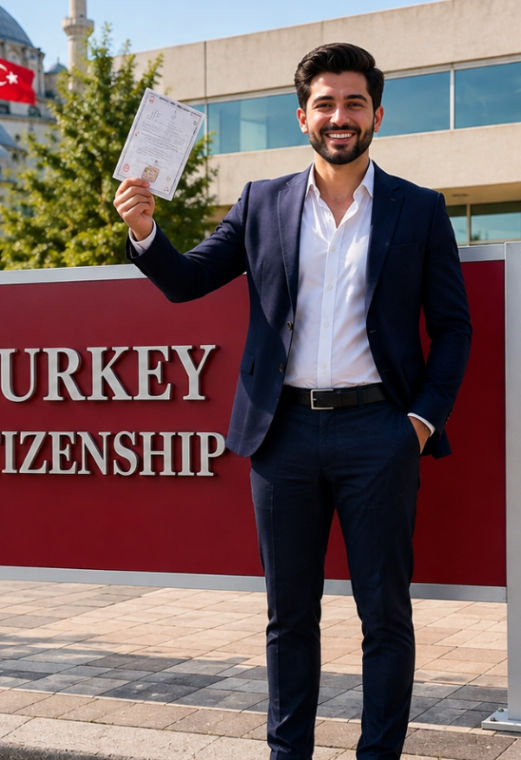

Citizenship by investment can offer greater global mobility, long-term security and new opportunities for a family. However, approval is never based on investment alone. Every applicant must satisfy legal, financial and personal checks before citizenship can be granted.
The exact rules vary by country. Investment thresholds, family conditions and document standards can also change. Still, most programs follow a similar assessment process. They confirm the applicant’s identity. They review the origin of wealth. They also examine criminal, business and immigration history.
Understanding the main citizenship by investment requirements can save time and prevent avoidable delays. It also helps applicants choose a suitable route before committing funds.
This guide explains the usual eligibility rules, required documents and due diligence process. It also highlights common mistakes and practical steps for preparing a stronger application.


What Is Citizenship by Investment?
Citizenship by investment is a legal route through which a qualifying applicant may obtain nationality after making an approved economic contribution. The program is created and managed under the laws of the destination country.
Available options may include a contribution to a government fund, an approved property purchase, a business investment or another qualifying route. Not every country offers the same options. Some require the investment to be held for a fixed period.
Citizenship by investment is different from residency by investment. A residence program first grants the right to live in a country. Citizenship may only become possible later, often after physical presence and other conditions. A direct citizenship route can lead to nationality after approval, subject to the rules of that jurisdiction.
Investors comparing destinations can explore HCL Consultant’s citizenship by investment programs to understand the available pathways and identify options that may suit their goals.
Core Citizenship by Investment Requirements
Although each jurisdiction has its own legislation, several basic conditions appear across established programs.
1. Meeting the Minimum Age Rule
The main applicant must normally be at least 18 years old. They must also have the legal capacity to sign forms, make declarations and complete the investment.
2. Selecting an Approved Investment
The applicant must choose an option recognized by the relevant government. Sending money to an unapproved project or private party will not satisfy the program.
The investment is usually completed at a defined stage. In some cases, approval in principle comes first. Applicants should not transfer substantial funds until the official process and payment instructions are clear.
3. Showing a Lawful Source of Funds
The investment capital must come from legitimate and traceable sources. Examples may include salary, business profits, dividends, savings, an inheritance or proceeds from selling an asset.
It is not enough to show a bank balance. The applicant must often explain how the money was earned and how it reached the account used for the investment.
4. Passing Background Checks
Governments screen applicants to protect the integrity of their programs. A serious criminal record, sanctions exposure, false information or unexplained wealth can lead to refusal.
Checks may apply to the main applicant, spouse and qualifying adult dependants. Some jurisdictions also screen younger family members above a stated age.
5. Meeting Health Conditions
A medical examination or health declaration may be required. Certain programs request evidence that applicants do not have a serious communicable disease. The exact test and certificate format depend on the jurisdiction.
6. Providing Complete and Accurate Information
All statements must be truthful. Previous names, nationalities, visa refusals, legal disputes and business interests should be disclosed when requested. A past issue may be manageable. Hiding it is usually more damaging than explaining it properly.
Who Can Be Included in an Application?
Many programs allow close family members to apply with the principal investor. This can make the route useful for long-term family planning.
Eligible relatives may include:
- A spouse
- Dependent children
- Children studying full-time within an allowed age range
- Children with qualifying disabilities
- Financially dependent parents or grandparents
- In limited cases, dependent siblings
Definitions differ widely. Some programs set age limits. Others focus on financial dependence, education or marital status. Review the complete family structure at the start.
Documents Commonly Required
Document preparation often takes longer than expected. Certificates may need to be recent, translated, notarized, legalized or apostilled. The correct treatment depends on the issuing country and the destination program.
Identity and Civil Status Documents
Most applications require clear proof of identity and family relationships. The file may include:
- Valid passports
- National identity cards
- Birth certificates
- Marriage certificates
- Divorce or previous marriage records
- Adoption or custody documents
- Name-change certificates
- Recent passport photographs
Names and dates must match across the file. Even a small spelling difference can trigger a request for clarification.
Address and Residence Evidence
Applicants may need to confirm their current and previous residential addresses. Common evidence includes utility bills, bank statements, tenancy agreements or official residence records.
Police Clearance Certificates
Police certificates are usually required from the country of citizenship and the country of residence. They may also be needed from other places where an applicant lived for a significant period.
These certificates often have limited validity. Ordering them too early can create a timing problem. Applicants should confirm the required issue date and coverage period before applying.
Financial and Employment Records
Financial evidence helps demonstrate that the investment is affordable and lawful. Depending on the profile, this may include:
- Personal and business bank statements
- Employment letters and salary slips
- Tax returns or tax payment records
- Audited company accounts
- Company ownership documents
- Dividend certificates
- Investment portfolio statements
- Property sale agreements
- Inheritance or gift records
- Loan agreements, where permitted
The documents should tell one consistent story. Income, assets, career history and bank activity must make sense when reviewed together.
Professional and Business Documents
Business owners may need company registration records, shareholder certificates, licences, contracts or corporate financial statements. Senior professionals may provide a CV, reference letters and evidence of qualifications.
Medical and Supporting Forms
The application package may contain medical reports, declarations, government forms and consent documents. Each adult may need to sign separate forms. Signatures must match the passport and follow the stated format.
Source of Funds and Source of Wealth
These terms are related, but they are not the same.
Source of funds explains where the money for the specific investment came from. For example, an applicant may use proceeds from a property sale. The evidence could include the purchase agreement, proof of earlier ownership, the sale deed, bank receipt and account statements showing the transfer.
Source of wealth explains how the applicant built their total financial position over time. This may come from years of employment, ownership of a successful business, investments or inherited assets.
A credible application connects both parts. It shows how the applicant accumulated wealth and identifies the exact path of the investment capital. Large cash deposits, third-party transfers and unexplained account movements may create concerns.
Applicants should avoid moving funds through several accounts without a clear reason. When transfers are necessary, each step should be documented.
How Citizenship by Investment Due Diligence Works
Due diligence is a detailed background and compliance review. It helps authorities assess whether an applicant is suitable for citizenship.
The review may include:
- Identity verification
- Criminal record screening
- Sanctions and watchlist checks
- Anti-money laundering checks
- Source of funds and wealth analysis
- Business and employment verification
- Review of litigation or regulatory matters
- Adverse media research
- Immigration and visa history checks
- Politically exposed person screening
Governments may use internal teams, law-enforcement databases and independent due diligence firms. In some cases, an interview is required.
A politically exposed person is not automatically disqualified. However, their profile may receive enhanced review. Additional evidence may be needed to explain public roles, business links and financial activity.
Applicants must also understand their tax reporting duties. A second citizenship does not automatically replace tax residence or remove existing obligations. Accurate disclosure remains essential.
Common Reasons for Delay or Refusal
Many problems begin with incomplete preparation rather than the investment itself.
Missing or Expired Documents
An outdated police certificate or missing signature can stop the review. A document checklist should be updated throughout the process.
Inconsistent Personal Information
Different spellings, unexplained addresses or conflicting employment dates raise questions. Every form should be checked against the supporting evidence.
Unclear Money Trail
A high bank balance without proof of origin is weak evidence. Authorities need a traceable path from the lawful source to the investment account.
Failure to Disclose a Material Fact
Applicants sometimes omit an old visa refusal, civil dispute or former business connection. If a form asks for it, the matter should be disclosed with a clear explanation and supporting records.
Using an Unapproved Investment
Only government-authorized routes count. Applicants should verify the project, agent and payment instructions before transferring money.
Assuming Approval Is Guaranteed
No legitimate adviser can guarantee government approval. The final decision rests with the relevant authority. Good preparation can reduce risk, but it cannot remove official discretion.
How to Prepare a Stronger Application
Start with a confidential profile review. This can identify possible concerns before costs are committed.
Next, choose a program that fits the applicant’s budget, family needs and long-term plans. Consider investment risk, holding periods and future obligations.
Create a document plan early. List each certificate, its issuing authority and expiry period.
Prepare a clear financial narrative. It should explain career history, business ownership, major asset sales and the origin of investment funds. Supporting documents should follow the same timeline.
Finally, review every form before submission. Names, dates, addresses and financial figures should be consistent. If an issue exists, explain it honestly rather than leaving the authority to discover it without context.
A Practical Pre-Application Checklist
Before moving forward, confirm that:
- The main applicant meets the age and eligibility rules.
- Every dependant fits the program’s legal definition.
- The chosen investment is officially approved.
- Investment funds are lawful and traceable.
- Passports and civil records are valid.
- Police certificates cover the required countries and periods.
- Financial records support the declared source of wealth.
- Previous visa refusals and legal matters are disclosed.
- Translations and legalizations meet official standards.
- Enough funds are available for the investment and all related fees.
Frequently Asked Questions
What are the main citizenship by investment requirements?
Applicants normally need to meet the minimum age, make an approved investment, prove a lawful source of funds, submit complete documents and pass due diligence. Family members must also meet the relevant dependency rules.
Is a clean criminal record required?
Programs generally require strong character and police clearance evidence. The effect of any past offence depends on its nature, timing and the law of the chosen country. Full disclosure is essential.
How long does document preparation take?
It depends on the applicant’s history and the issuing countries. Files involving several residences, businesses or dependants may take longer. Starting early is the safest approach.
Final Thoughts
Citizenship by investment is a structured legal process. A qualifying investment is only one part of it. Identity, family relationships, financial history and personal background all receive careful review.
The best applications are transparent and well organized. They include valid documents, a clear money trail and accurate disclosures. Early preparation also makes it easier to respond if authorities request more information.
Because every jurisdiction applies different rules, personalized guidance is valuable. HCL Consultant can help investors compare suitable options and prepare for each stage with greater clarity.
Disclaimer: This article provides general information only. Program rules, investment thresholds, fees and eligibility conditions may change. Applicants should obtain current legal, tax and professional advice before making a decision.